Sugar Skull 3D Layered Papercut Review
As a designer who spends half my life staring at stitch charts and the other half trying to explain to clients why their logo won’t work on a baseball cap, I approach every new embroidery file with a healthy dose of skepticism. We are bombarded with thousands of designs daily, many of which look stunning in a digital mockup but fall apart under the needle. That is exactly why I decided to put the Sugar Skull 3D Layered Papercut design through its paces. This isn’t just another generic Day of the Dead graphic; it is a complex 3D SVG concept translated into machine embroidery that demands careful consideration before you even thread your hoop.
First Impressions: The Visual Personality
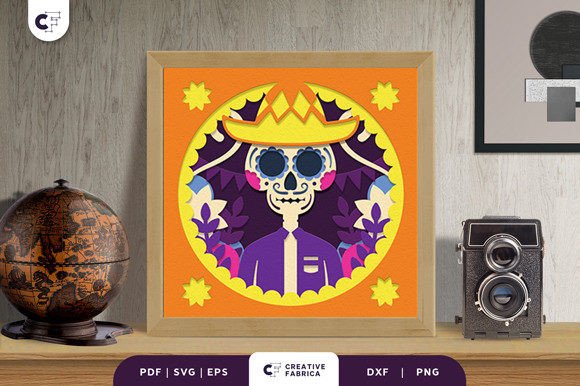
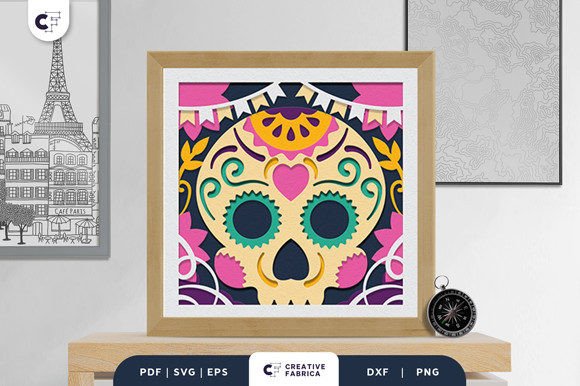
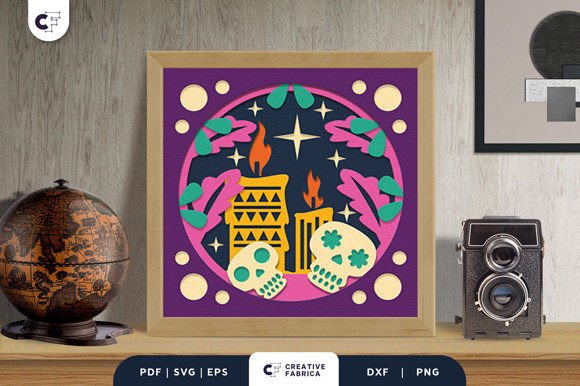
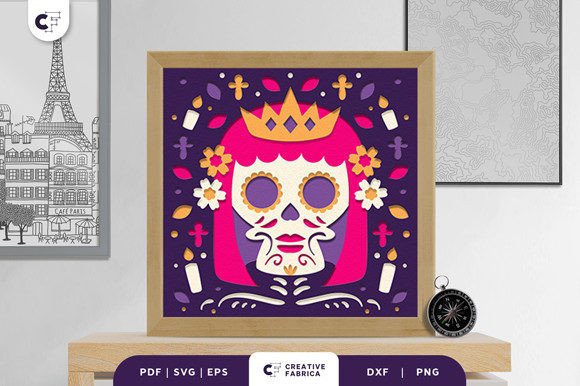
The moment you open the file structure for this Sugar Skull 3D Layered Papercut, you realize this is not a simple fill-stitch job. It relies heavily on the illusion of depth, mimicking the intricate layers of traditional paper cutting. Visually, it creates a moody, sophisticated atmosphere that feels far removed from the tacky Halloween aesthetics often associated with sugar skulls. The layout is balanced, with distinct zones for what will become shadow layers, giving the finished piece a tactile, almost sculptural quality.
For the Etsy seller or small business owner, this visual personality is gold. It suggests premium quality. When a customer sees a design that implies three-dimensional layering, they perceive higher value. It moves the product from a "quick gift" category into the realm of "artisanal craft." The intricate details speak to the maker’s skill, building immediate trust with buyers who appreciate handmade nuance.
Real-World Application: From Screen to Stitch
I wanted to see how this machine embroidery design would perform on actual merchandise, so I simulated a few common scenarios. The first test was a custom embroidered tote bag design using heavy cotton canvas. The layered effect works beautifully here because the fabric has enough body to support the multiple placement stitches required to create the 3D shadow effect. However, the contrast between threads becomes critical. If you use similar tonal colors, the layers merge into a muddy blob. You need high-contrast thread colors—perhaps deep blacks, vibrant oranges, and crisp whites—to make the papercut illusion pop.
Next, I considered sweatshirt embroidery. A crewneck hoodie is a classic vehicle for this type of graphic. The Sugar Skull 3D Layered Papercut translates well to the chest area or the back yoke. Because it mimics a sticker or a patch applied to the surface, it fits naturally with streetwear aesthetics. For the craft business owner, this design bridges the gap between holiday-specific sales (Day of the Dead/Día de los Muertos) and year-round edgy fashion. It is versatile enough to be marketed as alternative art rather than just seasonal decor.
Another strong candidate for this design is the embroidered patch. The defined edges and layered structure lend themselves perfectly to appliqué techniques. By combining an applique design base with precise satin stitching for the outlines, you can create a detachable badge that looks like a miniature piece of art. This adds significant utility for customers who want to customize jackets, bags, or hats without committing to permanent sewing.
Where to Use It Carefully
No design is universal, and the complexity of the Sugar Skull 3D Layered Papercut means there are clear boundaries where it should not be used. First, avoid small hoop sizes. Trying to cram these intricate layers into a 4x4 inch hoop will result in lost detail and potential puckering. The design requires enough physical space for the eye to distinguish between the different "layers" of the papercut effect.
Textured fabrics are another trap. While a heavy denim might hold up, a highly textured bouclé or a loose-weave linen will hide the fine details of the running stitch and delicate satin borders. Similarly, stretchy fabrics like thin jersey require exceptional stabilizer choices. Without proper backing, the tension of the multiple layers could distort the garment, ruining the clean lines that give the design its appeal.
Curved surfaces, such as caps or fitted baby beanies, present their own challenges. The flat, geometric nature of papercut art does not always conform gracefully to curves unless the digitizing is exceptionally precise. For custom apparel like this, flat surfaces like tote bags, aprons, pillow covers, and kitchen towels are safer bets. These items provide a stable canvas where the 3D illusion remains intact and undistorted.
Technical Considerations for the Designer
If you are planning to use this digital embroidery file for commercial purposes, there are several practical steps you must take. Always test the design on scrap fabric that matches your final product in weight and texture. This allows you to check the stitch density and ensure the fabric doesn't pucker under the load of the layered elements.
Inspect the small details closely. In digital previews, tiny gaps can look sharp, but on fabric, they may stitch together if the thread tension is off. Check whether the design includes adequate jump stitches or trim commands to maintain cleanliness. Furthermore, verify the licensing terms explicitly. Many design assets labeled for personal use cannot be sold as part of a finished product. As a creative entrepreneur, protecting your intellectual property and respecting the original creator’s rights is non-negotiable for long-term success.
When preparing printable mockups for your online store, remember that screens lie. A design that looks vibrant on a monitor might look dull in person if the lighting is poor. Create both light and dark background mockups to show versatility. This helps the buyer engagement by demonstrating how the handmade product adapts to different styles.
Final Verdict on Value and Appeal
The Sugar Skull 3D Layered Papercut is more than just a decorative image; it is a statement piece that elevates any embroidery project it touches. It appeals to a demographic that values intricacy, cultural artistry, and modern design twists. For the apparel decorator or boutique branding specialist, this design offers a way to command higher prices due to its perceived complexity and artistic merit.
However, success depends entirely on execution. The difference between a mediocre result and a best-selling item lies in the preparation: choosing the right stabilizer, selecting high-quality threads that reflect light well, and understanding the limitations of your equipment. If you treat this design with the respect its layered structure demands, it will serve as a powerful addition to your catalog, driving interest from hobbyists looking for a challenge and serious commercial embroidery clients seeking standout products.
In summary, this is a robust, visually striking design that fits seamlessly into the workflows of serious makers. It transforms a standard motif into a dimensional experience, proving that when done right, machine embroidery can mimic the finest paper crafts. Just remember to test thoroughly, plan your color palette with intention, and let the craftsmanship speak for itself.