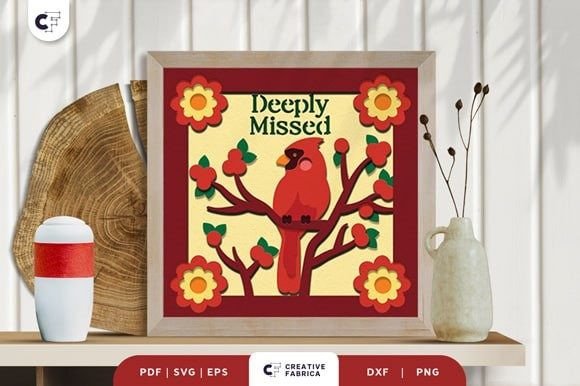
Red Cardinal 3D Layered Papercut for People-Focused Content
As a seasoned blog designer and digital publisher, I always look for design assets that elevate the emotional tone of content while maintaining a professional edge. The Red Cardinal 3D Layered Papercut immediately caught my eye with its delicate yet bold visual language. This intricate 3D SVG design is more than just an illustration—it's a storytelling tool that resonates deeply in niches centered around memory, healing, and personal reflection.
A Warm and Nurturing Editorial Mood
The Red Cardinal 3D Layered Papercut exudes a sense of warmth and care. Its layered, papercut aesthetic gives it a handcrafted feel, which can be incredibly effective in editorial contexts where authenticity matters. The design supports lifestyle and emotional content—think grief support blogs, mindfulness platforms, or even seasonal themes like remembrance during holidays.
This graphic doesn't shout; it whispers. It’s perfect for creating a gentle mood in content marketing pieces, especially those aimed at connecting on a personal level. Whether you're designing a featured image for a blog post about coping with loss or crafting a newsletter banner focused on self-care, this asset adds a touch of sincerity that modern audiences crave.
Real-World Applications in Content Publishing
One of the most exciting aspects of this design is how versatile it is across various publishing formats. Here are some practical ways to integrate the Red Cardinal 3D Layered Papercut into your workflow:
- Blog Featured Images: Use it as a subtle overlay in hero sections to evoke emotion without overshadowing the headline.
- Pinterest Graphics: Pair it with soft pastel backgrounds and minimalist typography for a visually arresting pin.
- Article Headers: Incorporate it into headers to break up long reads and provide a visual anchor for readers.
- Newsletter Banners: Add it to the top of email newsletters to create a comforting first impression.
- Category Thumbnails: Display it alongside categories like “Grief & Healing” or “Emotional Wellness” to enhance brand recognition.
- Digital Guides and Lead Magnets: Feature it in downloadable resources such as printable journals or guided reflections.
- Social Media Previews: Use it in preview cards for video content or Instagram stories related to emotional well-being.
- Canva Templates: Integrate it into custom Canva templates for affiliate marketers or small business owners who need consistent branding.
Visual Hierarchy and Click-Through Potential
In terms of visual hierarchy, the Red Cardinal 3D Layered Papercut performs exceptionally well when placed strategically. Its vibrant red tones naturally draw the eye, making it ideal for guiding attention toward key headlines or call-to-action buttons. As a result, it can boost click-through potential on both websites and social media platforms by making content more inviting and clickable.
For example, when used in a Pinterest pin, the cardinal becomes a focal point that encourages users to stop scrolling and engage. Similarly, in a blog header, it helps establish the article’s tone quickly, giving readers a reason to stay and read further.
Supporting Brand Identity and Reader Trust
Editorial design isn’t just about aesthetics—it’s about building trust. The Red Cardinal 3D Layered Papercut contributes to a stronger visual identity for content creators focusing on emotional or people-centered topics. Its artistic but clean style suggests professionalism and empathy, two qualities that resonate strongly in content marketing and online education.
When used consistently across website headers, downloadable printables, and social media graphics, it reinforces a cohesive brand message. Readers begin to associate the imagery with thoughtful, high-quality content, which in turn builds credibility and loyalty. This is particularly valuable for bloggers and creative entrepreneurs who rely on their audience’s emotional connection to sustain engagement and conversions.
Design Asset Performance Across Platforms
Here’s where the Red Cardinal 3D Layered Papercut shines brightest:
- Hero Images: Its detailed 3D structure makes it a standout element in large-format banners or landing pages.
- Thumbnail Design: When scaled down, the silhouette remains recognizable, ensuring visibility even in condensed views.
- Editorial Accents: Place it beside pull quotes or section dividers to add visual interest without disrupting flow.
- Content Upgrades: Use it in lead magnets like free PDF guides or worksheets to make them feel more premium.
- Downloadable Resources: Ideal for digital product covers or within printables to signal quality and intentionality.
- Category Visuals: Help differentiate content sections and guide user navigation with intuitive symbolism.
Its layered composition also allows for dynamic layer adjustments depending on the background. This flexibility is crucial for publishers working with a variety of page layouts or color schemes.
Use Cases to Approach with Caution
While this design asset is powerful, there are scenarios where it may not perform optimally. For instance, if your site requires minimalistic visuals or operates in a highly technical niche, the decorative nature of the Red Cardinal 3D Layered Papercut might clash with your brand voice.
It should also be used carefully in the following cases:
- Small Mobile Thumbnails: The fine details may get lost in smaller sizes, reducing impact.
- Text-Heavy Blog Images: Too much ornamentation could distract from the main message.
- Low-Contrast Backgrounds: The red hues may blend too much, weakening visibility.
- BUSY Layouts: Avoid using it in areas with multiple visual elements, as it might become overwhelmed.
- Corporate or Professional Niches: Unless paired with a softer, more refined layout, it may feel out of place.
Still, with thoughtful placement and pairing, it can work wonders in almost any content context where emotional resonance is key.
Publisher Tips for Optimal Use
Before implementing the Red Cardinal 3D Layered Papercut into your publishing projects, here are a few practical considerations:
- Test on desktop and mobile screens: Ensure it maintains clarity and impact across all device types.
- Check thumbnail performance: See how it looks when compressed or resized for previews and listings.
- Preview in real blog layouts: Place it into actual web designs to assess how it interacts with fonts, spacing, and other elements.
- Test with headline text: Determine if the design enhances or competes with your primary messaging.
- Review contrast and readability: Especially important if you plan to overlay text on the design.
- Try it in black and white: Evaluate whether it still holds visual appeal when printed or viewed in grayscale.
- Pair with different font styles: Test it beside serif, sans serif, script, handwritten, and display fonts to find the best match.
- Optimize file size: Compress images properly to ensure fast-loading web pages and responsive designs.
- Confirm commercial licensing: If you're planning to use it on monetized websites, affiliate pages, or paid digital products, always verify the license terms.
Conclusion: A Thoughtful Addition to Your Creative Toolkit
The Red Cardinal 3D Layered Papercut is a compelling graphic design asset for anyone involved in content publishing, especially those working in lifestyle, wellness, and emotional storytelling spaces. Its intricate 3D SVG format offers both depth and scalability, allowing it to adapt to a wide range of editorial needs—from website headers to digital downloads.
When integrated thoughtfully, this design can help strengthen your brand identity, improve reader trust, and increase engagement through more polished and emotionally resonant visuals. However, as with any design element, success depends on knowing your audience and understanding how the asset fits into your overall visual strategy.
If you're looking to infuse your content with a touch of artistry and heart, consider adding the Red Cardinal 3D Layered Papercut to your collection of go-to design assets. It’s a tribute not only to missing loved ones but also to the power of visual storytelling in today’s digital landscape.