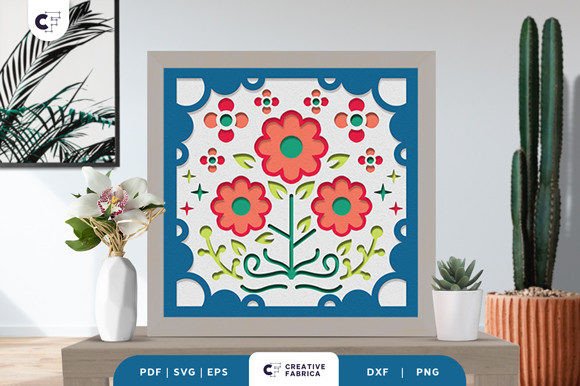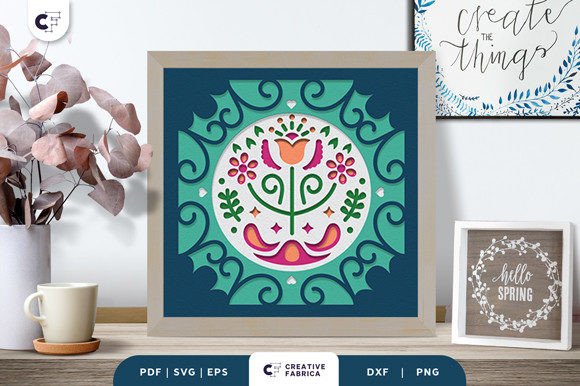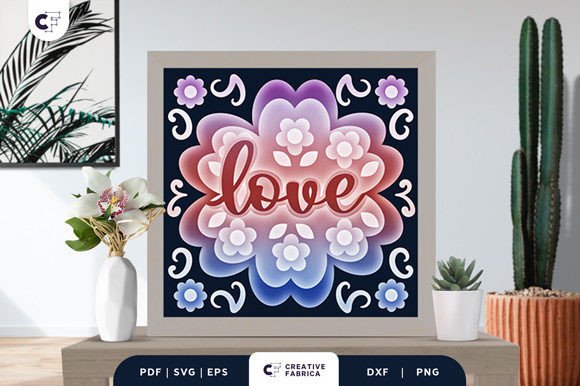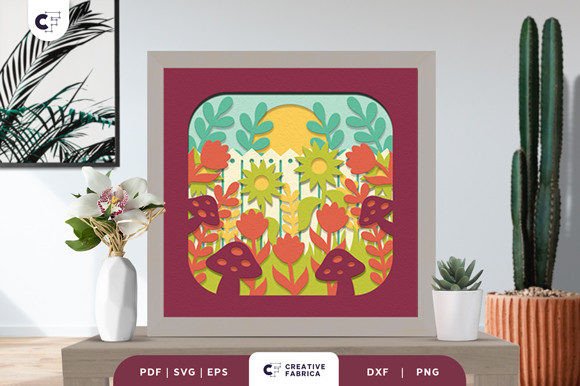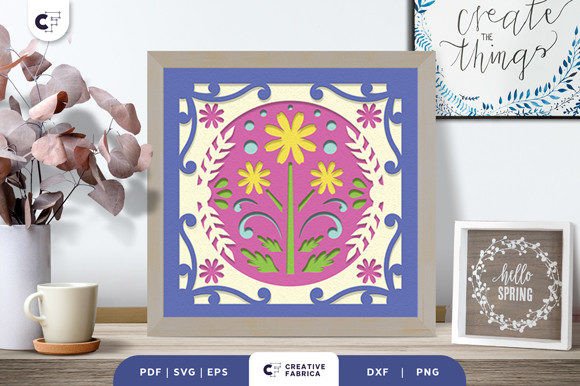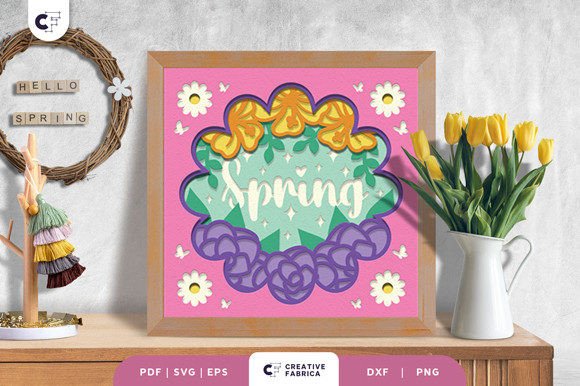
Spring 3D Layered Paper Cut SVG
As someone who’s stitched hundreds of seasonal designs—from holiday sweatshirts to baby onesies—I opened Spring 3D Layered Paper Cut SVG expecting charm, but what stood out immediately was its quiet confidence. It doesn’t shout “spring!” with oversized florals or cartoon bunnies. Instead, it breathes—layered petals, delicate stems, and subtle dimensional cues that translate beautifully into embroidery when handled thoughtfully. I tested it on a linen-cotton tea towel first, then moved to a medium-weight organic cotton tote, and finally a soft unstructured cap. Each time, the design asked for intention—not speed.
What This Design *Actually* Wants to Be
This isn’t a grab-and-go monogram or a bold chest logo. Spring 3D Layered Paper Cut SVG is built for moments where craft meets care: a boutique owner curating nursery pillows, an Etsy seller bundling personalized baby gifts, or a small shop launching a spring collection of kitchen linens. Its nine layered cut files suggest depth—not just visual, but tactile. In embroidery terms, that means planning for satin-stitched edges, strategic fill-stitch gradients, and careful placement of running-stitch accents to mimic paper-cut shadows. It leans into subtlety, so it won’t dominate a busy fabric—but it will elevate a clean, minimalist garment or home good.
Where It Shines (and Where It Pauses)
On structured, stable fabrics—think canvas totes, twill aprons, or medium-knit sweatshirts—the layers hold their shape without distortion. The stitch density feels balanced: dense enough to read clearly at 4–5 inches wide, but open enough to avoid puckering on breathable weaves. I used it on a baby muslin swaddle, and with light tear-away stabilizer, the fine stems stayed crisp—no thread nests, no skipped stitches.
That said, it asks for attention on curved surfaces. On a low-profile cap front, I resized it to 3.2 inches and reduced fill density by 15%—not because the file failed, but because the original layering assumes a flat plane. Similarly, on stretchy jersey or thin rayon challis? Skip the full build unless you’re using cutaway + topping and stitching slowly. The detail in the innermost floral elements doesn’t forgive instability.
Dark fabrics reward contrast: try ecru thread over navy denim, or pale mint on charcoal linen. On light backgrounds, go warm—terracotta or sage—so the “paper cut” illusion reads as intentional, not washed out. And yes—it works on tea towels, but avoid placing it near hems or seams where repeated washing could stress fine satin-stitched edges over time.
A Real Project Test: The Embroidered Spring Tote
Last week, I prepped a batch of custom totes for a local florist’s Mother’s Day pop-up. We chose natural canvas, 10-oz weight, with a relaxed drape. I digitized Spring 3D Layered Paper Cut SVG as a 4.5-inch-wide applique design—using raw-edge applique for the base layer, then satin-stitched outlines and shadow-fill details on top. Customers didn’t just see “a flower.” They paused. Touched the texture. Asked, “Is this hand-cut?” That’s the power of layered intention. It reads as handmade, even when machine-stitched—because the design respects the craft, not just the clock.
Design Judgment You Can Trust
This isn’t just another seasonal SVG. As a designer who reviews embroidery files weekly, I look for three things: clarity under stitch, flexibility across products, and emotional resonance in the finished product. Spring 3D Layered Paper Cut SVG delivers on all three—if you treat it like a collaborator, not a shortcut.
- Visual appeal: Grows richer with thoughtful thread choices—not louder. A single-color version (e.g., tonal sage-on-linen) looks elevated; a three-color build (pale yellow center, soft green stem, cream petal) feels joyful but grounded.
- Product value: Turns a standard tote or pillow cover into a signature item. Buyers pay more for perceived craftsmanship—and this design signals it before they even feel the stitch.
- Customer trust: Because the layers are distinct and well-spaced, there’s no guessing whether a detail will vanish mid-stitch. That reliability builds repeat orders.
- Brand consistency: Fits cleanly into a cohesive spring line—pair it with simple script text or minimalist borders, not competing graphics.
Practical Notes Before You Stitch
Before adding Spring 3D Layered Paper Cut SVG to your next client project or Etsy listing:
- Test it on scrap fabric matching your final product—especially if using textured weaves like seersucker or bouclé.
- Check small details at actual size: those inner leaf veins should resolve cleanly at 3 inches wide. If they blur, simplify the fill or adjust underlay.
- Review stitch density in your embroidery software. Dense fills work on stable fabrics; lighter versions suit baby items or lightweight apparel.
- Confirm hoop size compatibility. Some layers may require re-hooping on smaller machines—plan accordingly.
- Use proper stabilizer: medium cutaway for knits, lightweight tear-away for wovens, and topping for napped fabrics like terry cloth.
- Test black-and-white mockups. Does the silhouette hold up? Does negative space breathe?
- Verify licensing. If selling finished embroidered items, ensure the file permits commercial use. If reselling digitized versions, confirm redistribution rights.
Bottom line? Spring 3D Layered Paper Cut SVG earns its place in a working designer’s library—not because it’s trendy, but because it behaves with integrity. It adapts without flattening, delights without distracting, and reminds us that the best seasonal designs don’t chase the calendar. They meet the moment, quietly, with care.